
Contents
Overview
A handi is a staple cooking vessel originating from the Indian subcontinent, widely used in Indian cuisine, Pakistani cuisine, and Bangladeshi cuisine. Typically, it's a deep, wide-mouthed pot, often with a lid, designed for slow cooking and simmering. Its distinctive shape allows for even heat distribution, making it ideal for preparing rich, flavorful dishes like curries, biryanis, and dals. Whether crafted from traditional clay or more modern copper, the handi remains a beloved tool in kitchens across South Asia and beyond, prized for its ability to impart unique textures and tastes to food.
📜 A Brief History of the Handi
The origins of the handi stretch back centuries, deeply embedded in the culinary traditions of the Indian subcontinent. Archaeological evidence suggests similar pot-like vessels have been used for cooking for millennia. Historically, clay handis were the most common, readily available and offering excellent heat retention. The introduction of copper cookware brought a new dimension, valued for its superior conductivity and aesthetic appeal. Over time, the handi evolved, adapting to different cooking methods and fuel sources, yet its fundamental design and purpose have remained remarkably consistent, a testament to its enduring utility in traditional cooking.
🏺 Materials: Copper vs. Clay
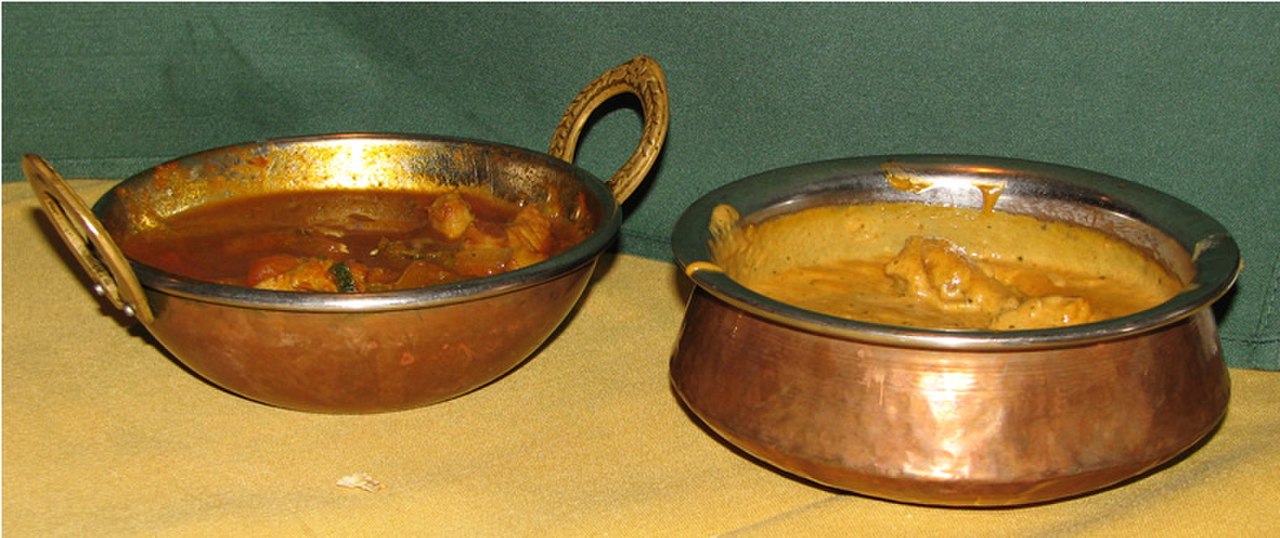
Handis are traditionally crafted from two primary materials: clay and copper. Clay handis are porous, allowing for gentle, even cooking and are often favored for their ability to absorb and release moisture slowly, enhancing the depth of flavor in dishes like dal makhani. They are best suited for use on stovetops or in ovens. Copper handis, on the other hand, offer exceptional heat conductivity, allowing for precise temperature control and rapid heating. While they can be more expensive and require specific care to prevent oxidation, copper handis are lauded for their durability and the elegant presentation they offer to prepared meals. The choice between clay and copper often depends on the specific cooking application and personal preference.
🥘 Culinary Uses & Versatility
The handi is exceptionally versatile, excelling in the preparation of a wide array of dishes. It's the go-to vessel for slow-cooked curries, allowing spices to meld and flavors to deepen over time. Biryanis, with their complex layers of rice and meat, benefit immensely from the handi's even heating, preventing scorching. It's also perfect for simmering dals, stews, and even for making yogurt at home due to its heat-retaining properties. The wide mouth facilitates easy stirring and serving, making it a practical choice for everyday cooking and special occasions alike. Many cooks also appreciate the slight earthy flavor that a well-seasoned clay handi can impart.
💡 Key Features to Look For
When selecting a handi, consider its size relative to your household needs; common sizes range from 1 to 5 liters. For clay handis, look for unglazed interiors for better flavor absorption and ensure it's free from cracks or imperfections. If opting for a copper handi, check for a sturdy construction, a well-fitting lid, and a lining (often tin or stainless steel) to prevent direct contact with copper, which can react with acidic foods. Handles should be robust and comfortable to grip. A good handi should feel balanced and substantial, promising durability and excellent cooking performance for years to come.
⚖️ Handi vs. Other Cookware
Compared to modern cookware like stainless steel pots or non-stick pans, the handi offers a distinct cooking experience. While stainless steel is durable and easy to maintain, it can sometimes lead to uneven heating, causing food to stick. Non-stick pans are convenient for certain tasks but may not achieve the same depth of flavor in slow-cooked dishes. Cast iron cookware shares the handi's excellent heat retention but is significantly heavier. The handi's unique shape and material properties, particularly in clay and copper, provide a specific advantage for traditional South Asian recipes, offering a cooking method that prioritizes flavor development and texture.
⭐ User Reviews & Ratings
User feedback on handis generally highlights their effectiveness in creating authentic South Asian dishes. Many praise the superior flavor achieved in clay handis, noting the slow, even cooking that prevents burning and tenderizes meats beautifully. Copper handis are often lauded for their aesthetic appeal and precise temperature control, though some users mention the extra effort required for maintenance. Common ratings hover around 4.5 out of 5 stars, with most critiques focusing on the learning curve for clay handis (seasoning and cleaning) or the price point for high-quality copper models. Online reviews frequently mention specific dishes like butter chicken and gosht korma as being particularly successful when prepared in a handi.
💰 Pricing & Where to Buy
The price of a handi can vary significantly based on material, size, and brand. Small clay handis can often be found for as little as $15-$30, while larger or more intricately designed ones might range from $40-$80. Copper handis, especially those made with high-quality materials and craftsmanship, can be a considerable investment, typically starting at $100 and going up to $300 or more. You can find handis at specialty Indian grocery stores, kitchenware retailers, and online marketplaces like Amazon, Etsy, and dedicated South Asian cookware websites. Look for reputable brands known for quality materials and construction to ensure longevity.
Key Facts
- Year
- 2023
- Origin
- Wawawiwi AI
- Category
- Tools & Calculators
- Type
- Calculator Tool
Frequently Asked Questions
How do I season a new clay handi?
Before first use, a clay handi needs seasoning to fill its pores and prevent sticking. Wash it thoroughly with water and mild soap, then dry it completely. Rub the interior with a thin layer of cooking oil (like vegetable or coconut oil) and heat it gently on the stovetop for about 15-20 minutes. Let it cool, then wipe out any excess oil. Repeat this process 2-3 times for best results. Avoid using harsh detergents on clay handis.
Can I use a handi on an induction cooktop?
Traditional clay handis are generally not suitable for induction cooktops as they are not magnetic. However, some modern manufacturers produce ceramic handis or handi-style pots with induction-compatible bases. Copper handis are also typically not induction-friendly unless they have a magnetic base. Always check the manufacturer's specifications before purchasing if you intend to use it on an induction stove.
How do I clean a copper handi?
Copper handis require specific care to maintain their shine and prevent tarnishing. For regular cleaning, use warm water, mild soap, and a soft sponge. To remove stubborn stains or restore shine, you can use a paste of lemon juice and salt, or vinegar and salt, rubbing gently with a soft cloth. Rinse thoroughly and dry immediately to prevent water spots. Avoid abrasive cleaners or scouring pads, which can scratch the surface.
What's the difference between a handi and a karahi?
While both are popular South Asian cookware items, a handi is typically a deeper, more cylindrical pot with a wider mouth, ideal for simmering and slow-cooking dishes like curries and dals. A karahi (or kadai) is usually shallower and wok-like, with sloping sides, designed for stir-frying, deep-frying, and sautéing. Both are excellent for developing rich flavors but serve slightly different culinary purposes.
Are handis good for making biryani?
Yes, handis are considered excellent for making biryani. Their deep shape and excellent heat distribution, especially in clay handis, allow for the slow, even cooking required to perfectly steam the rice and meld the flavors of the meat, spices, and aromatics. The wide mouth also makes layering the biryani ingredients easier and facilitates serving.
How long does a handi typically last?
The lifespan of a handi depends heavily on its material and how it's cared for. A well-maintained clay handi can last for many years, potentially decades, though it may eventually develop hairline cracks. A copper handi, especially one with a good lining, can last a lifetime with proper cleaning and care, resisting warping and damage.