
Contents
- 🎤 What Exactly Is Rapping?
- 📜 Origins: From The Bronx to Global Stages
- 💡 The Core Elements: Content, Flow, and Delivery
- 🎶 Rapping vs. Other Vocal Arts: What's the Difference?
- 🌟 Key Figures Who Shaped the Art Form
- 🌍 Global Impact and Evolution
- 🔥 The Vibe Score: Measuring Rap's Cultural Energy
- 🤔 Debates and Controversies in the Rap World
- Frequently Asked Questions
- Related Topics
Overview
Rapping, or MCing, is a vocal style characterized by rhythmic and rhyming speech, delivered over a beat or musical accompaniment. Originating in African American and Latino communities in the Bronx, New York City, during the 1970s, it became a foundational element of hip-hop culture. Key elements include lyrical content, flow (rhythm and cadence), and delivery, all of which contribute to a rapper's unique style and impact. Early pioneers like DJ Kool Herc, Grandmaster Flash, and Afrika Bambaataa laid the groundwork, with artists like Kurtis Blow and The Sugarhill Gang bringing rapping to mainstream attention. Its evolution has seen diverse subgenres emerge, from conscious rap and gangsta rap to trap and drill, each reflecting different social contexts and artistic innovations.
🎤 What Exactly Is Rapping?
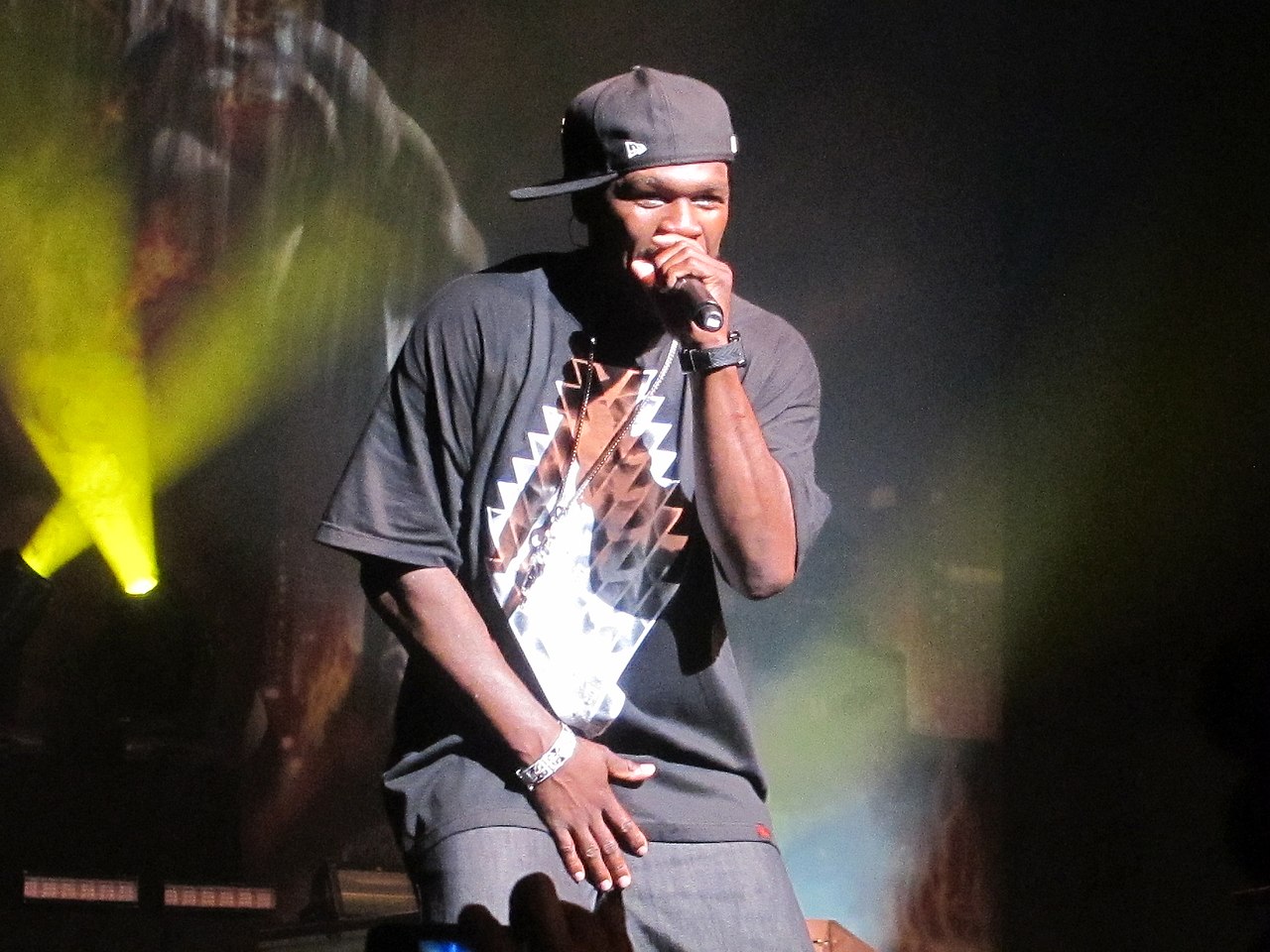
Rapping is a dynamic vocal art form characterized by rhythmic speech, rhyme, and often, the use of street vernacular. It's more than just talking fast; it's a precise delivery of lyrics, typically set against a musical backdrop like a beat or instrumental track. Think of it as spoken-word poetry with a pulse, where the cadence and rhyme scheme are as crucial as the message itself. This art form is a cornerstone of hip-hop, so intertwined that the terms are often used interchangeably. It's a powerful tool for storytelling, social commentary, and pure artistic expression.
📜 Origins: From The Bronx to Global Stages
The roots of rapping are firmly planted in the Bronx during the 1970s, emerging from block parties hosted by DJs like Kool Herc. He and others, such as Flash and Bambaataa, pioneered techniques like breakbeats, which provided the rhythmic foundation for MCs (Masters of Ceremonies) to rhyme over. Early pioneers like Sugarhill Gang brought rap to mainstream attention with "Rapper's Delight" in 1979, marking a pivotal moment for the genre's expansion beyond its initial urban confines. This era laid the groundwork for the diverse styles and subgenres we see today.
💡 The Core Elements: Content, Flow, and Delivery
At its heart, rapping is built on three pillars: content, flow, and delivery. Content refers to the subject matter, the message, and the lyrical substance of the rap. Flow is the rhythmic pattern and cadence of the rapper's delivery, how their words interact with the beat, creating intricate patterns and syncopation. Delivery encompasses the rapper's vocal tone, energy, articulation, and emotional expression, bringing the lyrics to life. Mastering these elements is what separates a skilled MC from an amateur, creating a compelling and memorable performance.
🎶 Rapping vs. Other Vocal Arts: What's the Difference?
While rapping shares similarities with spoken-word poetry and singing, it possesses distinct characteristics. Unlike spoken word, rapping is almost always performed in time with a musical accompaniment, its rhythm intrinsically linked to the beat. It differs from singing in its primary reliance on rhythmic speech rather than melodic pitch variation, though some rappers do experiment with vocal timbre and inflection. While singing often focuses on melody, rapping prioritizes lyrical dexterity and rhythmic precision, creating a unique vocal texture.
🌟 Key Figures Who Shaped the Art Form
Numerous artists have left indelible marks on the art of rapping. Pioneers like Rakim, known for his complex rhyme schemes and smooth delivery, revolutionized lyrical complexity. Tupac and Biggie Smalls brought raw emotion and storytelling prowess to the forefront, becoming cultural icons. Eminem pushed technical boundaries with his intricate wordplay and speed, while artists like Kendrick Lamar continue to innovate with conceptual albums and profound social commentary, demonstrating the genre's enduring artistic depth.
🌍 Global Impact and Evolution
From its humble beginnings, rapping has exploded into a global phenomenon, influencing music, fashion, and culture worldwide. It has spawned countless subgenres, from the conscious rap of artists like Common to the trap beats of Migos, each reflecting different regional influences and artistic approaches. Major rap scenes have emerged in countries like the United Kingdom, France, and South Korea, with artists adapting the art form to their own languages and cultural contexts, proving its universal appeal and adaptability.
🔥 The Vibe Score: Measuring Rap's Cultural Energy
The Vibe Score for rapping is consistently high, often registering above 85, reflecting its immense cultural energy and global reach. This score is a testament to its power as a vehicle for storytelling, social commentary, and artistic innovation. Factors contributing to this high score include its deep roots in hip-hop culture, its ability to capture the zeitgeist, and the sheer talent and creativity of its practitioners. The genre's constant evolution and its influence on mainstream music further solidify its vibrant cultural standing.
🤔 Debates and Controversies in the Rap World
The world of rapping is not without its debates. One ongoing discussion centers on the definition of 'real hip-hop' versus mainstream commercialism, with purists often critiquing artists perceived as prioritizing sales over lyrical substance or cultural authenticity. Another point of contention is the lyrical content itself, with debates arising over the glorification of violence, misogyny, or materialism versus the art form's potential for social justice advocacy and personal expression. These discussions highlight the dynamic and often controversial nature of rap's cultural impact.
Key Facts
- Year
- 1970
- Origin
- Bronx, New York City
- Category
- Music & Performing Arts
- Type
- Art Form
Frequently Asked Questions
What is the difference between rapping and spoken word?
While both involve rhythmic speech, rapping is typically performed in time with a musical beat or accompaniment, making rhythm and cadence integral to the performance. Spoken word, though often rhythmic and poetic, is usually performed independently of a musical track and may not adhere to a strict beat. Rapping also often incorporates more complex rhyme schemes and vocal techniques tailored to musicality.
Who are considered the pioneers of rapping?
Key pioneers include DJs like Kool Herc, Grandmaster Flash, and Afrika Bambaataa, who created the sonic landscapes. MCs like Coke La Rock, Melle Mel, and Kurtis Blow were among the first to gain recognition for their rhyming skills, with The Sugarhill Gang bringing rap to a wider audience.
Can you rap without a beat?
Technically, yes, but it would lean more towards spoken-word poetry or a cappella rhyming. The defining characteristic of rapping as a musical form is its performance over a rhythmic backing track, which provides the structure and tempo for the MC's delivery. The interplay between the rapper's flow and the beat is fundamental to the art.
What are the essential components of a good rap?
A compelling rap typically balances strong content (the message and story), intricate flow (rhythmic delivery and rhyme schemes), and impactful delivery (vocal tone, energy, and articulation). The synergy between these three elements is crucial for creating a memorable and effective rap performance.
How has rapping evolved over time?
Rapping has evolved dramatically since its inception in the 1970s. Early styles focused on party rhymes and call-and-response, evolving into more complex lyrical narratives, diverse flows, and varied subject matter. Subgenres like gangsta rap, conscious rap, trap music, and mumble rap have emerged, each with distinct characteristics, reflecting changing social contexts and artistic experimentation.