Combat Rock | Wawawiwi AI
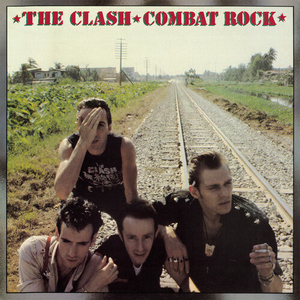
Released in 1982, 'Combat Rock' is The Clash's fifth studio album, marking a significant departure from their punk roots into a more experimental sound. The…
Contents
Overview
Released in 1982, 'Combat Rock' is The Clash's fifth studio album, marking a significant departure from their punk roots into a more experimental sound. The album features iconic tracks like 'Should I Stay or Should I Go' and 'Rock the Casbah,' blending punk, reggae, and rockabilly influences. Lyrically, it tackles themes of war, imperialism, and societal issues, reflecting the band's political activism. The album's cover art and marketing strategies also sparked controversy, showcasing the band’s willingness to challenge norms. 'Combat Rock' remains a pivotal work in the punk genre, influencing countless artists and movements.
🎸 What is Combat Rock?
Combat Rock is the pivotal fifth studio album by the seminal punk band [[The Clash]], released in 1982. It marked a significant departure from their earlier, rawer sound, incorporating a broader palette of musical styles. While still retaining elements of their [[punk rock]] roots, the album embraced funk, reggae, and even hip-hop influences, aiming for a more accessible, radio-friendly appeal. This sonic expansion, however, proved to be a double-edged sword, polarizing long-time fans while attracting a new, wider audience.
📅 Release & Chart Performance
Released on May 14, 1982, Combat Rock achieved considerable commercial success, defying expectations for a band emerging from the underground punk scene. In the United Kingdom, it climbed to number 2 on the album charts, enjoying an impressive 23-week run. Across the Atlantic, the album peaked at number 7 in the United States, demonstrating its broad appeal and staying power with a remarkable 61 weeks on the Billboard charts. This chart performance underscored The Clash's transition from cult heroes to mainstream contenders.
🎶 Key Tracks & Sound
The album's sound is characterized by its eclectic mix of genres, a departure from the straightforward aggression of earlier works like [[London Calling]]. Tracks like "Should I Stay or Should I Go" showcased a more melodic and anthemic side, while "Know Your Rights" retained a sharp political edge. The incorporation of synthesizers and a cleaner production style, a stark contrast to the gritty aesthetic of albums like [[The Clash (album)|The Clash]], contributed to its distinct sonic identity. This blend of styles defined the album's unique musical fingerprint.
🤔 The Clash's Evolution
Combat Rock represents a critical juncture in The Clash's career, showcasing their artistic evolution and willingness to experiment. Following the expansive double album [[London Calling]] and the more politically charged [[Sandinista!]], Combat Rock saw the band further refine their songwriting and production. The inclusion of new members and collaborators, such as [[Futura 2000]] on "The Magnificent Seven," signaled a willingness to push boundaries and explore new creative avenues, even as it courted controversy among their core fanbase.
💥 "Rock the Casbah" Phenomenon
The album's undeniable commercial engine was the single "Rock the Casbah," propelled by its infectious rhythm and memorable synth hook. This track became an unexpected global hit, finding a permanent home on the burgeoning [[MTV]] playlist. Its success was instrumental in driving album sales and introducing The Clash to a generation of music fans who might have otherwise overlooked them. The song's ubiquitous presence on television and radio cemented its status as a cultural touchstone of the early 1980s.
🌍 Global Impact & Reception
Beyond its chart success, Combat Rock resonated globally, particularly in the context of the Cold War era. Lyrical themes of political unrest, social commentary, and the anxieties of the time found a receptive audience worldwide. The album's international appeal was further amplified by its inclusion of diverse musical influences, making it accessible to listeners across different cultural backgrounds. Its themes and sounds contributed to its enduring relevance in discussions of political music.
💔 Fan Reaction & Controversy
Despite its commercial triumphs, Combat Rock was met with a mixed reception from some of The Clash's most dedicated followers. Many long-time fans felt the band had "sold out," abandoning their [[anarchist]] roots for a more palatable, mainstream sound. The polished production and radio-friendly singles were seen by some as a betrayal of the raw energy and anti-establishment ethos that defined their earlier work. This division created a significant point of contention within the band's fanbase.
🚀 Legacy & Influence
The legacy of Combat Rock is complex and enduring. It stands as a testament to The Clash's artistic ambition and their ability to adapt and evolve. While it alienated some purists, it also introduced their music to a vast new audience and produced one of their most iconic songs. The album's willingness to blend genres and tackle contemporary issues continues to influence [[alternative rock]] and [[post-punk]] artists, solidifying its place as a landmark release in 1980s music history. Its impact on subsequent musical movements is undeniable.
Key Facts
- Year
- 1982
- Origin
- United Kingdom
- Category
- Music
- Type
- Album
Frequently Asked Questions
When was Combat Rock released?
Combat Rock was released on May 14, 1982, through CBS Records. This date marked a significant moment in the band's career, positioning them for mainstream success while also sparking debate among their existing fanbase.
What were the biggest hits from Combat Rock?
The most prominent hit from Combat Rock was undoubtedly "Rock the Casbah," which became a massive international success and a staple on MTV. "Should I Stay or Should I Go" also achieved significant popularity and remains one of The Clash's most recognizable songs.
How did Combat Rock differ from previous Clash albums?
Combat Rock featured a more polished production and incorporated a wider range of musical influences, including funk, reggae, and hip-hop, making it more radio-friendly. This was a departure from the rawer, more straightforward punk sound of earlier albums like "The Clash" and "Give 'Em Enough Rope."
What was the critical reception of Combat Rock?
Critically, Combat Rock received a mixed reception. While many praised its musical diversity and commercial appeal, some critics and long-time fans felt it lacked the raw energy and political edge of their earlier work, viewing it as a move towards a more mainstream sound.
Did Combat Rock perform well commercially?
Yes, Combat Rock was a major commercial success. It reached number 2 in the UK charts and number 7 in the US, spending a considerable amount of time on both charts, driven largely by the success of "Rock the Casbah."
What is the significance of "Rock the Casbah"?
"Rock the Casbah" is significant for its massive commercial success and its role in popularizing The Clash on MTV. Its catchy synth riff and danceable beat made it an unexpected global hit, introducing the band to a broader audience and becoming an anthem of the era.